What is Sample Based Tide Calculations
Sample-Based Tide Calculations is an advanced display mode designed for locations with complex tidal behaviour, such as Poole Harbour, where the tide can rise and fall multiple times within a single cycle. Instead of estimating the tide from high and low water points, Tide.lamp uses real measured height samples taken at regular intervals to show how the sea is actually moving.
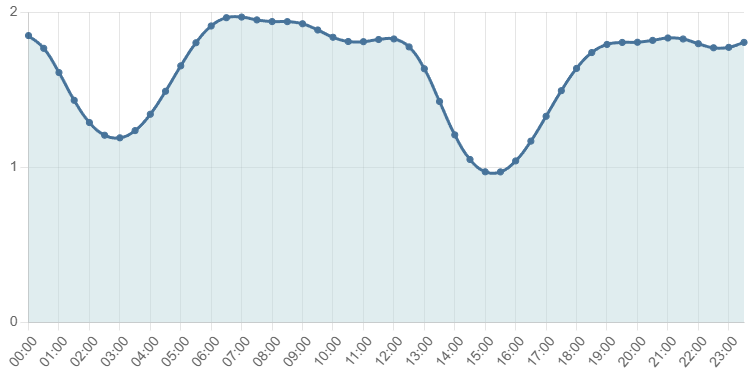
Because this method reflects the true tidal range for each day, the tide may not always reach the very top or bottom of the lamp. This is normal because sample-based tide calculations are based on tide height and simply means that it reflects the true tidal range for that specific day.
This mode is enabled by the Tidelight support team on request.
How the tide is displayed
When this mode is active, your Tide.lamp uses stored tide height samples for your location.
At each update, the lamp works out the current tide height and compares it to the highest and lowest tides for that day. It then shows where the tide sits within that daily range on the LED strip.
This means the lamp follows the real movement of the sea based on height samples throughout the day.
What happens at midnight
The lamp calculates its display using a fixed midnight to midnight window.
At midnight, it switches to a new day and recalculates the highest and lowest tide heights for that day. These values then remain fixed until the next midnight.
If the tidal range for the new day is different, the displayed position may change slightly at midnight. This is normal and reflects the change in height extremes for the new day.
Why the tide may not reach the top or bottom of the lamp
Because Sample-Based Tide Calculations looks at all tide heights within a single day, it uses the highest and lowest values that occur during that day only.
At many tidal locations, there are two high tides and two low tides in a day, and these are often different heights. The lamp uses the highest high tide and the lowest low tide from that day as its reference points.
If the second high tide is lower in height than the first, the lower one does not replace the higher one. Instead, the lamp continues to use the highest tide that occurs that day at the reference point for the extremities when calculating the current tidal point.
Because of this, the tide may not always reach the very top or bottom of the lamp, even though the tide itself is behaving normally.
This is normal and expected behaviour in Sample-Based Tide Calculations. It reflects the true tidal range for that specific day, rather than the Rule of Twelfths method which always treats high tide as one hundred percent of the available display range.
Why this mode is optional
Sample Based Tide Calculations is more accurate for complex tides but can look different and less intuitive than the default tidal calculation modes.
Because it may show changing daily ranges and occasional adjustments at midnight, we enable this mode manually to make sure it is suitable for your location and expectations.
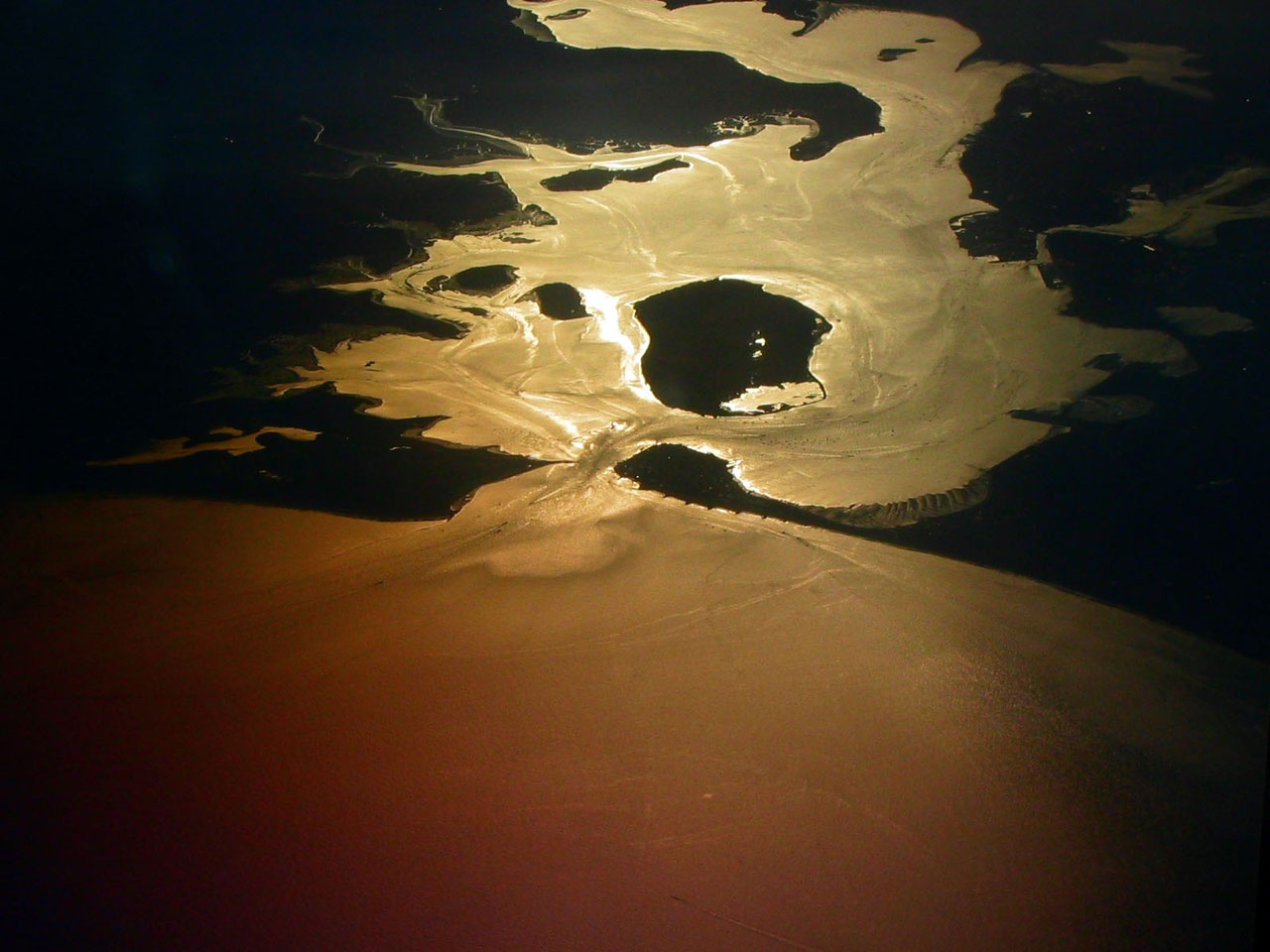
Poole Harbour in Dorset, UK. A perfect example of a complex tide. Photo by Petr Kratochvil, via Wikimedia Commons.
Licensed under Creative Commons Attribution ShareAlike 3.0.
Licence https://creativecommons.org/licenses/by-sa/3.0/
If you would like Sample-Based Tide Calculations enabled on your Tide.lamp, please contact:
support@tidelight.co.uk
Include your lamp serial number, and our support team will take care of the rest.
Was this article helpful?
That’s Great!
Thank you for your feedback
Sorry! We couldn't be helpful
Thank you for your feedback
Feedback sent
We appreciate your effort and will try to fix the article